Effective Theft Prevention Strategies BC Construction Sites Need
- Sterling Security
- Apr 14
- 4 min read
Construction sites in British Columbia face unique challenges when it comes to protecting valuable equipment, materials, and tools. Construction security cameras can offer great protectuon. Theft can cause costly delays, increase insurance premiums, and disrupt project timelines. I understand the importance of securing these sites effectively. In this post, I will share practical theft prevention strategies BC construction sites can implement to reduce risks and safeguard assets.
Understanding Theft Prevention Strategies BC Construction Sites Require
Theft prevention strategies BC construction sites need must address the specific vulnerabilities of outdoor, often remote, and temporarily staffed locations. These sites typically contain expensive machinery, tools, and materials that are easy targets for thieves. Common theft methods include:
Opportunistic theft of unattended tools and equipment
Theft of fuel and materials stored onsite
Unauthorized access to the site after hours
Theft of vehicles and heavy machinery
To counter these risks, a layered approach combining physical security, technology, and operational procedures is essential. This approach reduces the chances of theft and increases the likelihood of recovery if theft occurs.

How to Prevent Theft at a Construction Site?
Preventing theft at a construction site requires a combination of proactive measures. Here are key steps I recommend:
1. Secure Perimeter and Access Control
Establishing a secure perimeter is the first line of defense. Use durable fencing around the entire site with locked gates. Limit access points to reduce unauthorized entry. Employ security personnel or use electronic access control systems to monitor who enters and exits.
2. Use Surveillance Cameras
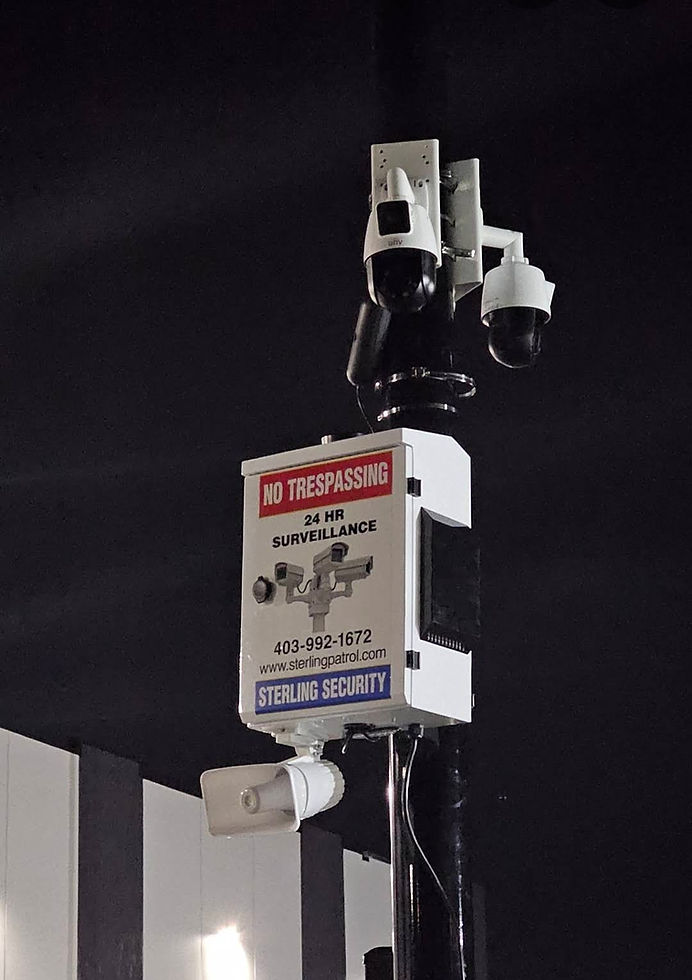
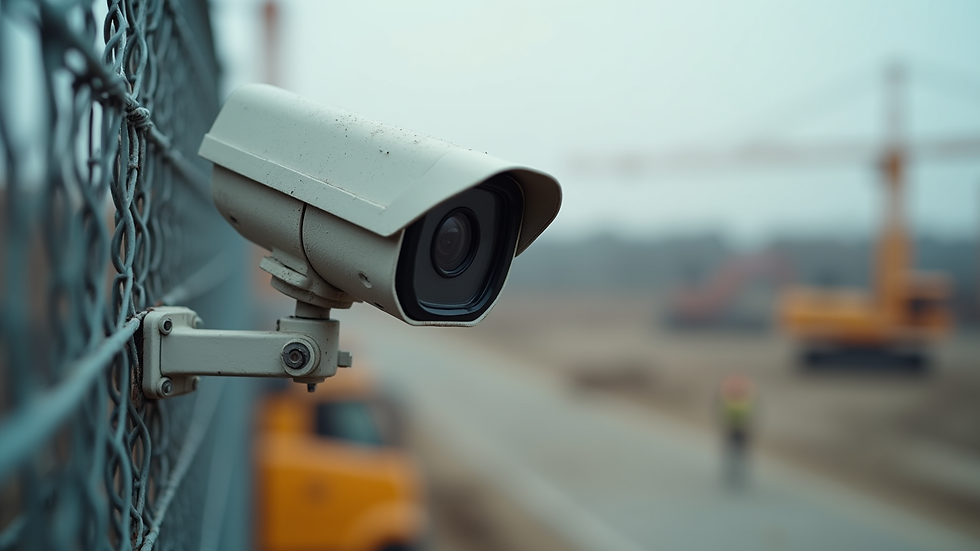
Installing surveillance cameras is a powerful deterrent. Cameras should cover all entry points, storage areas, and high-value equipment zones. Modern cameras with night vision and remote monitoring capabilities allow real-time surveillance and quick response to suspicious activity.
3. Implement Lighting
Adequate lighting around the site, especially near storage areas and access points, discourages thieves who prefer to operate under cover of darkness. Motion-activated lights can startle intruders and alert security personnel.
4. Secure Tools and Equipment
Store tools and smaller equipment in locked containers or trailers when not in use. Mark tools with identifiable information to aid recovery. For larger machinery, use wheel locks, immobilizers, or GPS tracking devices.
5. Inventory Management and Documentation
Maintain a detailed inventory of all equipment and materials onsite. Regularly update records and conduct audits. This practice helps quickly identify missing items and supports police investigations.
6. Employee Awareness and Training
Educate workers about theft risks and encourage them to report suspicious behavior. Implement clear policies on securing tools and equipment at the end of shifts.
7. Collaborate with Local Law Enforcement
Establish a relationship with local police. Inform them about your site and security measures. Quick reporting of theft incidents increases chances of recovery.
By combining these measures, you create multiple layers of security that significantly reduce theft risks.
Leveraging Technology for Job Site Theft Prevention BC
Technology plays a crucial role in modern theft prevention. Beyond traditional locks and fences, advanced solutions offer enhanced protection and peace of mind.
Remote Monitoring and Alerts
Security cameras connected to mobile devices allow project managers to monitor sites remotely. Real-time alerts notify of unusual activity, enabling immediate action.
GPS Tracking
Attaching GPS trackers to valuable machinery and vehicles helps locate stolen assets quickly. Some systems provide geofencing alerts if equipment moves outside designated areas.
Access Control Systems
Electronic key cards or biometric scanners restrict site access to authorized personnel only. These systems log entry and exit times, providing accountability.
Data Analytics
Some surveillance systems use AI to analyze video feeds for suspicious behavior patterns, reducing false alarms and improving response times.
Investing in these technologies supports comprehensive job site theft prevention BC efforts and protects your investment.
Best Practices for Ongoing Theft Prevention
Maintaining security requires consistent effort and adaptation. Here are ongoing best practices:
Regularly review and update security plans to address new risks or changes in site layout.
Conduct surprise inspections to ensure compliance with security protocols.
Rotate storage locations for valuable materials to avoid predictable patterns.
Engage with neighboring businesses or sites to share information about suspicious activity.
Keep insurance policies up to date and understand coverage related to theft.
These practices help sustain a secure environment throughout the project lifecycle.
Investing in Security for Long-Term Savings
While theft prevention measures require upfront investment, the cost savings from avoiding stolen equipment, project delays, and increased insurance premiums are significant. Reliable security solutions tailored to BC construction sites provide:
Reduced risk of theft and vandalism
Faster recovery of stolen assets
Enhanced worker safety and morale
Lower insurance costs over time
Choosing budget-friendly, scalable security options ensures protection without compromising project budgets.
Implementing effective theft prevention strategies is essential for protecting construction sites in British Columbia. By securing perimeters, leveraging technology, and maintaining vigilant operational practices, you can minimize theft risks and keep projects on track. For comprehensive support, consider partnering with experts specializing in job site theft prevention bc to tailor solutions that fit your site’s unique needs.


Comments