Advanced Construction Security Cameras: Enhancing Site Safety and Asset Protection
- Sterling Security
- May 5
- 4 min read
Construction sites are dynamic environments with valuable equipment, materials, and personnel that require constant protection. As projects grow in scale and complexity, so does the need for advanced security solutions. I have seen firsthand how integrating modern construction security cameras can transform site management, reduce theft, and improve overall safety. This post explores the latest advancements in construction security cameras and how they can benefit construction projects across British Columbia.
Why Construction Security Cameras Are Essential
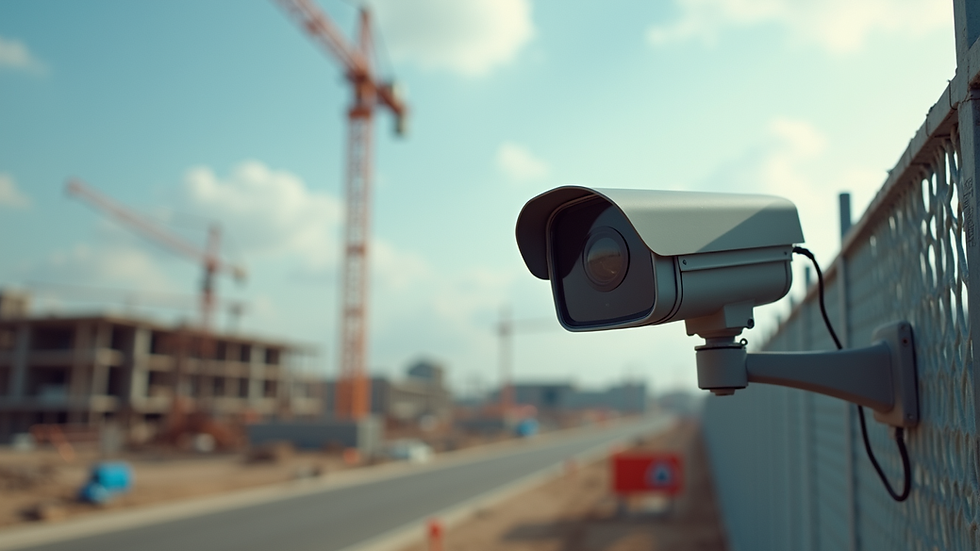
Security cameras on construction sites are no longer optional. They are a critical component of any comprehensive security strategy. Construction sites face unique challenges such as theft, vandalism, unauthorized access, and safety hazards. Cameras provide continuous monitoring, deter criminal activity, and offer valuable evidence if incidents occur.
Modern construction security cameras offer features tailored to these challenges:
High-resolution imaging for clear identification of people and objects.
Night vision and infrared capabilities to monitor sites 24/7.
Weatherproof and rugged designs to withstand harsh outdoor conditions.
Remote access via mobile devices or computers for real-time monitoring.
Motion detection and alerts to notify managers of unusual activity.
These features help project managers maintain control over their sites, even when they are off-site. The ability to monitor progress remotely also supports better project oversight and communication.
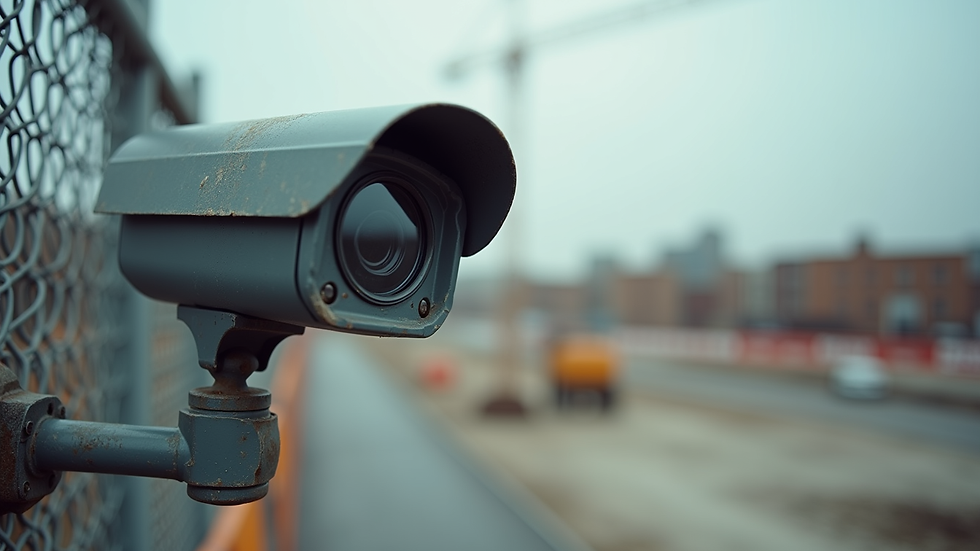
Key Features of Advanced Construction Security Cameras
When selecting security cameras for construction sites, it is important to focus on features that address the specific needs of the environment. Here are some of the most valuable features to consider:
1. Durability and Weather Resistance
Construction sites expose cameras to dust, rain, snow, and extreme temperatures. Cameras with IP66 or higher ratings ensure protection against water and dust ingress. Metal housings and vandal-resistant designs add extra durability.
2. High-Definition Video Quality
Cameras with 1080p resolution or higher provide sharp images that make it easier to identify faces, license plates, and equipment details. This clarity is crucial for investigations and insurance claims.
3. Wide-Angle and Pan-Tilt-Zoom (PTZ) Capabilities
Wide-angle lenses cover larger areas, reducing the number of cameras needed. PTZ cameras allow operators to zoom in on specific areas or track moving objects, enhancing situational awareness.
4. Night Vision and Infrared Lighting
Many incidents happen after dark. Cameras equipped with infrared LEDs can capture clear images in complete darkness, ensuring 24-hour surveillance.
5. Wireless Connectivity and Remote Access
Wireless cameras simplify installation and reduce cabling costs. Remote access through apps or web portals lets managers view live feeds and recorded footage from anywhere.
6. Motion Detection and Smart Alerts
Advanced cameras can detect motion and send instant alerts via email or SMS. This feature helps respond quickly to potential threats or safety incidents.
7. Integration with Other Security Systems
Some cameras integrate with alarms, access control, and lighting systems to create a comprehensive security network.
How to Choose the Right Construction Security Cameras
Choosing the right cameras depends on the size of the site, budget, and specific security goals. Here are practical steps to guide the selection process:
Assess Your Site’s Vulnerabilities
Identify high-risk areas such as equipment storage, entry points, and isolated zones. Prioritize camera placement in these locations.
Determine Camera Types and Quantity
Use fixed cameras for constant monitoring of critical spots.
Deploy PTZ cameras for flexible coverage of large areas.
Consider thermal cameras for detecting heat signatures in low visibility.
Evaluate Installation and Maintenance Requirements
Choose cameras that are easy to install and maintain. Wireless options reduce installation time but require reliable power sources.
Budget Wisely
Balance cost with features. Investing in quality cameras reduces long-term expenses related to theft and downtime.
Work with Experienced Providers
Partner with security companies familiar with construction site challenges. They can recommend tailored solutions and provide ongoing support.
Benefits of Using Construction Site Security Cameras
Implementing advanced security cameras delivers multiple benefits beyond theft prevention. Here are some key advantages:
Enhanced Theft and Vandalism Deterrence
Visible cameras discourage unauthorized access and criminal activity. Knowing the site is monitored reduces the risk of theft.
Improved Safety and Incident Response
Cameras help identify safety hazards and monitor compliance with safety protocols. In emergencies, footage assists in quick response and investigation.
Remote Project Monitoring
Managers can track progress and workforce activity remotely, improving efficiency and communication.
Evidence Collection for Insurance and Legal Purposes
High-quality video footage supports insurance claims and legal actions if incidents occur.
Cost Savings Over Time
Reducing theft, vandalism, and downtime lowers overall project costs. Cameras also minimize the need for physical security personnel.
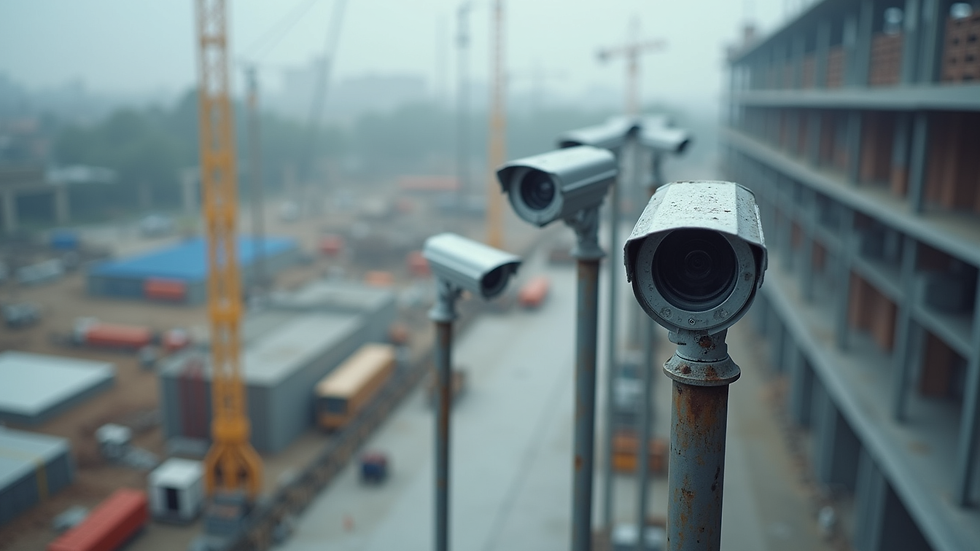
Installation Best Practices for Construction Security Cameras
Proper installation is crucial to maximize the effectiveness of security cameras. Here are some best practices:
Position cameras at entry and exit points to capture all access.
Mount cameras high enough to avoid tampering but low enough for clear images.
Ensure overlapping fields of view to eliminate blind spots.
Use protective housings to shield cameras from weather and vandalism.
Test camera angles and coverage before finalizing installation.
Set up secure network connections to prevent hacking.
Regularly inspect and maintain cameras to ensure optimal performance.
Leveraging Technology for Smarter Security
The latest construction security cameras incorporate smart technology to enhance site protection:
AI-powered analytics can detect unusual behavior or unauthorized personnel.
Cloud storage offers secure, scalable video archiving.
Integration with drones provides aerial surveillance for large sites.
Mobile apps enable instant alerts and easy access to footage.
These technologies empower project managers to stay informed and respond proactively.
Final Thoughts on Construction Security Cameras
Investing in advanced construction security cameras is a practical and effective way to protect valuable assets and ensure site safety. By selecting durable, high-quality cameras with smart features, construction projects in British Columbia can benefit from continuous monitoring, theft deterrence, and improved operational oversight.
For those looking to enhance their site security, I recommend exploring construction site security cameras solutions that combine reliability with budget-friendly options. Taking a proactive approach to security helps safeguard your investment and supports successful project completion.
Secure your construction site today with the right camera system and experience peace of mind throughout your project lifecycle.
Comments